
How to Dispose of Household Appliances Safely
Safely Get Rid of Your Old Appliances in an Eco-Friendly Way
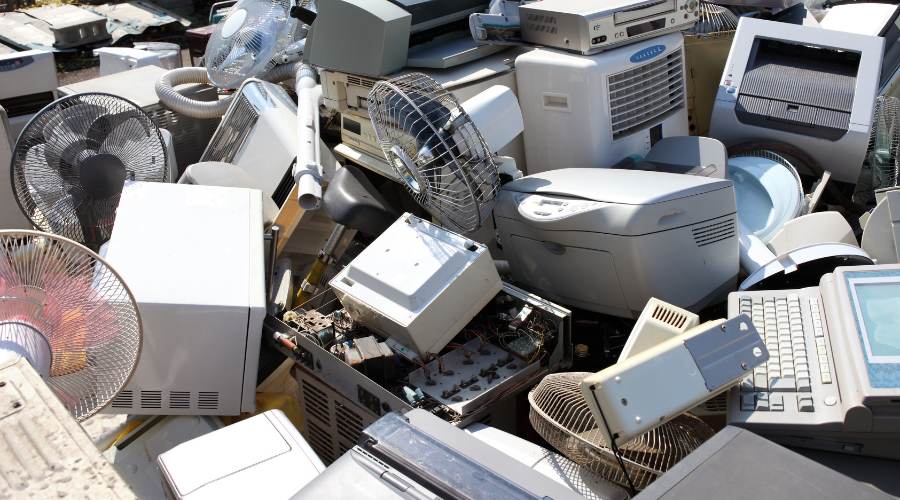
If you’re looking to get rid of an old fridge, washing machine, TV, or other domestic appliances, you’ve come to the right place.
Disposing of large appliances can be a pain, but with some planning and know-how, you can do it safely and responsibly.
Here are tips for safe disposal without harming the earth:
Drop-Off Recycling Centers
One easy choice is to haul appliances to a local drop-off center. Many towns have places that take old appliances to recycle or dispose of safely. Recycling Near You helps you find drop-off spots nearby. Just enter your zip code and search “appliance recycling.”
When you drop off an appliance, hazardous stuff like coolants, oils or chemicals will be removed and tossed properly before recycling what’s left. This works if you can haul the appliances yourself.
Donate or Resell Working Appliances
If appliances still work right, consider giving or selling them through:
- Local thrift shops
- Habitat for Humanity Australia
- Facebook Marketplace
- Craigslist
- eBay
Many families would love a working used appliance. And selling can help pay for a new one. Just disclose any problems needing fixes.
Use Special Pickup Services
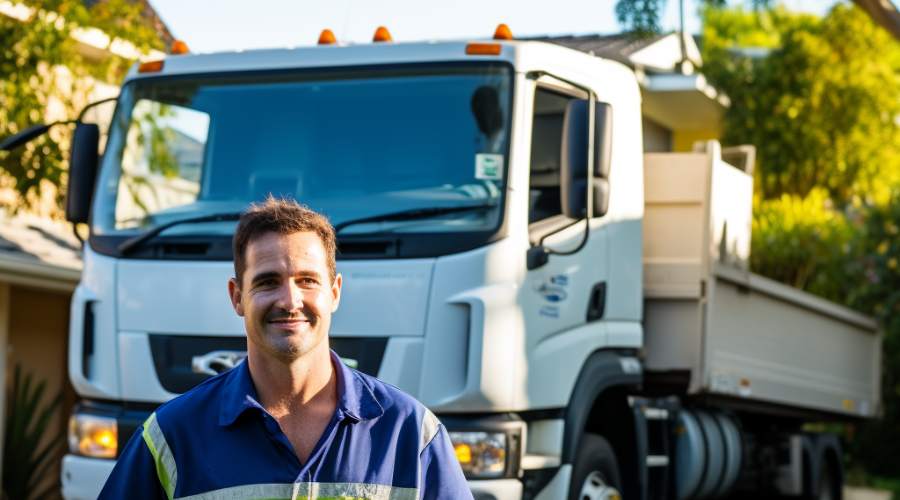
Some haulers will pick up appliances from your home for recycling or proper disposal. Handy if you lack a truck or trailer.
Options for pickup include:
- Your local trash company – Some offer special pickups for appliances and big stuff.
- Private junk haulers – They’ll send a truck and crew to remove and recycle appliances.
- Metal recyclers – Since appliances have lots of steel and copper, heavy metal recyclers may haul them for free.
Ask about fees so there are no surprises.
Give to Friends or Family
Have an old working fridge in the garage or washer still running? Ask around to see if friends or family could use them.
Post on community boards offering free appliances in good shape. Lots of people, like college students or young families, appreciate quality used appliances.
Just disclose the appliance’s age and problems. And have them haul it away.
Hire an Appliance Recycling Service
For eco-friendly removal, hire a pro appliance recycler to handle it right. They know how to remove and recycle hazardous stuff like:
- Refrigerant chemicals
- Mercury from switches
- CFCs from insulation
Then the metal, plastic and rest gets recycled. This keeps appliance waste out of landfills.
There are companies that offer services in many areas. Expect to pay a pickup and recycling fee.
Know the Appliance Type
Main categories to know when getting rid of appliances:
Small Appliances
Things like blenders and coffee makers. Typically donate, resell, or toss in regular trash if broken.
Major Appliances
Large items like fridges, stoves, dishwashers, washers, air conditioners, and dryers. Need special handling to remove hazardous stuff. Best to donate/resell if possible, or use an appliance recycler.
Electronics
TVs, stereos, mobile phones computers, printers etc. Don’t just throw electrical appliances in the garbage. Take to an e-waste recycler or hazardous material event.
Knowing the type helps pick the best recycling method. When in doubt, search for local appliance recycling centers.
Pro Tip:
Many old appliances contain valuable materials that can be recycled, like metal, plastic, and glass. Be sure to check if your local recycling bin or drop off point accepts electronic waste.
In Conclusion
Disposing of old appliances takes some thought vs just leaving them on the curb. With planning, you can donate or resell. Or ensure eco-friendly recycling using reputable services.
Consider the appliance’s condition and type before choosing the best waste management process. Use local resources like recycling facilities, trash companies and charities too.
We all play a role in keeping appliances out of landfills!
