
How to Recycle White Goods in Australia
Easiest way to get rid of old appliances without sending them to landfill
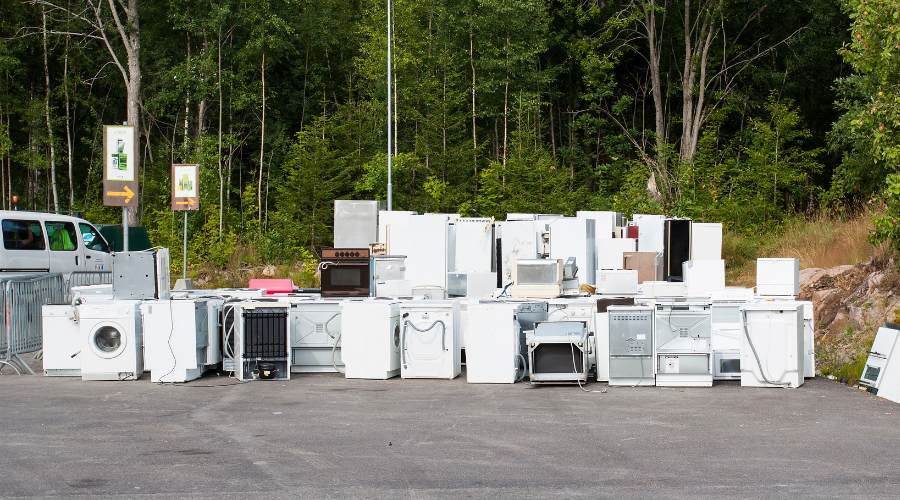
Getting rid of an old fridge, washing machine, or dryer is not as simple as putting it out with the rubbish. White goods are bulky, heavy, and often contain materials that need to be handled properly. The good news is that many of them can be recycled, reused, or collected through local services, which can save your house from clutter and reduce unnecessary waste.
If you are wondering how to recycle white goods in Australia, you usually have a few good options. You may be able to take the appliance to a recycling centre, book a council collection, use a retailer take-back service, or donate it if it is still in working order.
This guide walks you through the best ways to recycle white goods, what to do before disposal, and how to choose the right option for your area without too much hassle.
What are white goods?
White goods are the large household appliances most homes rely on every day. They include:
- refrigerators and freezers
- washing machines
- clothes dryers
- dishwashers
- microwave ovens and cooktops
- air conditioners
These domestic appliances contain materials such as steel, copper, aluminium, plastic and glass, many of which can be recovered and reused. Some also contain substances that need specialist handling, which is why proper disposal matters.
Can white goods be recycled?
Yes, many white goods can be recycled. In fact, recycling is often the best way to dispose of them once they reach the end of their life.
Large appliances contain valuable materials that should not go to waste. Recycling helps recover those materials and keeps bulky items out of landfill. It also reduces the risk of harmful substances ending up in the environment.
Appliances such as fridges, freezers and AC’s may contain refrigerants, so they need extra care during responsible disposal. That is one reason they should not be dumped on the kerb unless your local council specifically allows pickup.
Best ways to recycle white goods
The best option depends on the type of appliance, whether it still works, and what services are available locally.
1. Take it to a local recycling centre
For many people, this is the most straightforward option. Local recycling centres and waste transfer stations often accept white goods, either for free or for a small fee.
Before loading up the appliance, check:
- whether the site accepts white goods
- opening hours and booking requirements
- drop-off fees
- whether they accept fridges or AC
- how the appliance needs to be prepared
Your local council website is usually the best place to start. In some areas, recycling depots also separate smaller electrical devices from larger junk.
2. Book a council hard rubbish or bulk waste collection
Some councils offer booked hard rubbish or bulk waste collections that include large appliances. This can be very handy if you do not have a trailer or a way to transport them yourself.
Rules and regulations vary from one council to another, so check:
- whether white goods are accepted
- how many items you can put out
- whether bookings are required
- how to place the appliance safely for removal
If the appliance still functions, it is usually better to donate or sell it rather than leave it out for safe disposal. Never place white goods beside household bins unless your council says it is allowed.
3. Use a retailer take-back service
Buying a new appliance? Ask the retailer whether they can take away the old one.
Many appliance retailers offer removal and recycling program when they deliver a replacement. It is one of the easiest options because you do not need to organise separate collection.
Before you book, ask whether:
- haul-away is included
- there is an extra charge
- whether they disconnect the old appliance
- whether the item is recycled or refurbished
This is especially useful for fridges, washing machines, and dryers. Some stores may also remove related accessories during installation.
4. Contact a scrap metal or appliance recycler in Brisbane
Some scrap metal businesses and specialist recyclers accept old appliances directly. Some may even offer pickup, depending on your location and the size of the item.
This option can be a good fit for broken appliances that no longer have any resale value. It is worth checking whether there are fees involved and how the recycler handles appliances with hazardous components.
Choose a reputable service rather than the cheapest option alone. Proper recycling matters. This is particularly important in Queensland, where pickup options can differ between councils and regional areas.
5. Donate or sell appliances that still work
If the appliance is still in good working condition, reuse is often the best outcome.
You might be able to donate or sell it through:
- local charities
- community groups
- online marketplaces
- second-hand dealers
- neighbourhood giveaway pages
A working appliance can still be useful to someone else, and keeping it in use for longer is often better than recycling it straight away.
Before passing it on, clean it properly and make sure it is safe and functional. This matters just as much for kitchen items as it does for stoves.
What to do before recycling white goods
A bit of preparation makes the process easier and safer.
Empty and clean the appliance
Remove food, dust, lint and any loose items. This is especially important for fridges, freezers, microwaves and washing machines.
Defrost fridges and freezers
If you are recycling a fridge or freezer, defrost it fully in advance and dry it out well. This helps avoid leaks, smells and mess during transport.
Disconnect it safely
Unplug the appliance and shut off any water connection if needed. If an appliance is hardwired or difficult to remove, arrange help from a qualified technician.
Check for special handling
Fridges, freezers and air conditioners may contain refrigerants that need licensed handling. Do not try to remove gases or dismantle these units yourself.
Follow local collection or drop-off rules
Some councils and recycling centres have specific requirements for white goods. Always check first so you do not make a wasted trip.
How much does it cost to recycle white goods?
The cost depends on the appliance and the service you use.
In some cases, recycling and disposal may be free through a council service or retailer promotion. In other cases, you may need to pay a small drop-off fee. Private pickup services often cost more, particularly for very large appliances or difficult access.
For appliances that still work, you may be able to recover some value by selling it. The same principle applies to old computers and other electronics, although they often need different recycling streams.

Why white goods recycling matters
Recycling white goods is not just about clearing space in the garage or laundry. It has real environmental benefits.
It keeps bulky waste out of landfill
Large appliances take up a lot of room and are not suitable for general household waste.
It recovers useful materials
Old appliances contain metals and other materials that can be reused in new products. Some recycling sites also recover parts from products with removable batteries.
It reduces environmental harm
Proper recycling helps prevent hazardous substances from being dumped or mishandled.
It supports a more circular economy
Reusing and recycling materials helps reduce demand for new raw resources. That is also true for smaller electronics such as mobile phones when they are recycled correctly.
Frequently asked questions
Can I put white goods in general rubbish?
No, white goods should not usually go in general waste. They are bulky and may contain components that require proper recycling or specialist disposal.
Can I recycle fridges and freezers?
Yes, but they often need special handling because they may contain refrigerants and insulation materials that cannot be treated like normal waste.
Will my council collect old appliances?
Some councils do. Brisbane City Council accepts white goods such as fridges and washing machines as part of its kerbside collection service.
Check your local council website to see whether household rubbish or bulk waste removal includes white goods.
Can I donate white goods instead of recycling them?
Yes, if they still work and are safe to use. Donation or resale is often the better option for usable appliances.
What is the easiest way to recycle small appliances?
For many households, the easiest option is a local recycling centre or a retailer take-back service when replacing the appliance.
Final thoughts
Recycling white goods in Australia does not have to be difficult, but it does pay to check your local options first. Whether you choose a recycling facility, a council collection, a retailer take-back service, or donation, the right choice depends on the condition of the appliance and what is available in your area.
If the appliance still runs properly, try to keep it in use. If it does not, recycle it properly so the materials can be recovered and harmful components are handled safely.
A little planning goes a long way, and it is one of the simplest ways to dispose of old appliances more responsibly.

Leave A Comment
You must be logged in to post a comment.