
Environmental Impacts of Improper Rubbish Removal
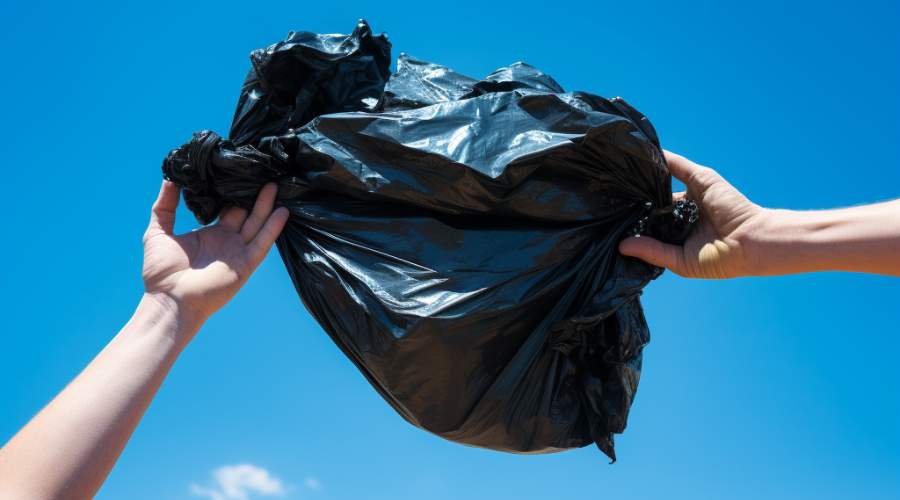
Rubbish that is dumped, burned, or left uncollected can cause far more damage than many people realise. It can pollute land, contaminate waterways, reduce air quality, harm wildlife, and create drainage problems that raise flood risk. What begins as poor disposal can quickly turn into a wider environmental and public health issue.
In Australia, this matters even more as waste volumes remain high and recovery rates vary sharply by material. In the Australian Government’s National Waste and Resource Recovery Report 2024, the recovery rate for plastics was just 12% in 2022–23, while municipal solid waste recovery was 52%, showing how much material still risks ending up in landfill or the wider environment if it is not handled properly.
What are the environmental impacts of improper rubbish removal?
Improper rubbish removal harms the environment by polluting soil, water, and air. It can block drains, increase flood risk, attract pests, release greenhouse gases, and injure wildlife. Over time, unsafe disposal damages ecosystems, lowers local environmental quality, and makes communities less healthy and less resilient.
What is improper rubbish removal?
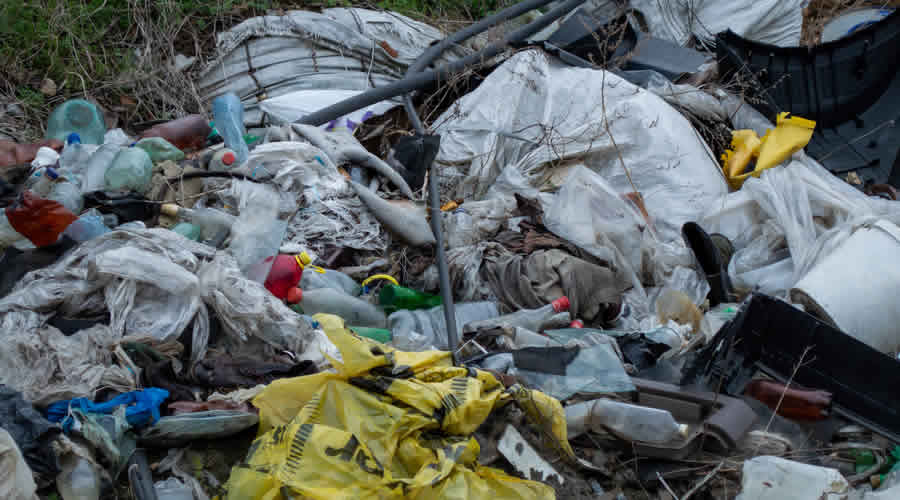
Improper rubbish removal means waste is handled, moved, or disposed of in an unsafe way. This includes illegal dumping, littering, open burning, overflowing rubbish piles, and disposal in places that are not approved waste sites.
Common examples include:
- dumping household rubbish in vacant lots
- throwing rubbish into drains, creeks, rivers, or canals
- burning plastic and mixed waste in open areas
- failing to separate recyclables, food waste, and hazardous items
- leaving rubbish exposed for long periods
- transporting waste without secure containers or cover
Each of these actions may seem small on its own. Together, they can create lasting environmental damage.
7 environmental impacts of improper rubbish removal
1. Soil pollution and land degradation
One of the most direct effects of poor disposal is soil contamination. When rubbish is left on open land, toxic substances can seep into the ground. These pollutants may come from plastics, batteries, paints, oils, cleaning products, and other harmful materials.
Once the soil is polluted, the land becomes less productive and less safe. Crops may struggle to grow. Gardens can lose quality. In severe cases, contaminated ground may need expensive treatment before it can be used again. Healthy soil depends on nutrients, moisture, and tiny organisms that support plant growth. Dumped waste disrupts that balance.
This problem also affects how land is used and valued. Areas covered in litter often become neglected, unattractive, and unsafe for nearby residents.
2. Water pollution in rivers, lakes, and groundwater
Improper disposal often leads to polluted water systems. Rain can wash rubbish, chemicals, and decaying matter into gutters, creeks, rivers, wetlands, and lakes. Liquid from open dumping sites can also move into groundwater below the surface.
This creates risks for both people and ecosystems. Fish and other aquatic life can be harmed by toxic substances or lower oxygen levels. Polluted water can also affect irrigation, household use, and local food chains. Once contamination spreads through a catchment, the damage becomes difficult and costly to reverse.
This is especially important in urban areas where stormwater systems connect streets directly to waterways. Rubbish thrown into a drain does not stay there for long.
3. Air pollution from burning and decomposing waste
Air quality also suffers when waste is handled badly. In some places, people burn rubbish in the open to reduce its volume or avoid disposal costs. But open burning releases smoke, fine particles, and toxic gases.
Plastic is especially dangerous when burned because it can release harmful fumes. Even when waste is not burned, organic material such as food scraps and garden waste can rot in exposed piles and release unpleasant odours and gases.
This means the issue is not only visual. Poor disposal can make the surrounding air less safe to breathe and less pleasant for people living nearby.
4. Harm to wildlife and natural habitats
Animals are often among the first to suffer from unsafe disposal. Birds, marine life, pets, and native animals may mistake plastic, wrappers, or food containers for food. Others become trapped in bags, strings, wire, or packaging loops.
Waste also damages habitats. Wetlands, bushland edges, waterways, beaches, and vacant land can all be affected by dumped rubbish. These places become less suitable for feeding, nesting, and shelter. Over time, biodiversity can decline and ecosystem balance can weaken.
This is one reason litter is more than a visual nuisance. It can change how local species live and survive.
5. Blocked drains and increased flood risk
Rubbish in drainage systems is a major local hazard. Plastic bags, bottles, takeaway containers, wrappers, and other discarded items often collect in gutters, stormwater drains, and canals. Once these channels are blocked, water cannot flow properly.
Heavy rain can then lead to flash flooding, dirty run-off, and the spread of bacteria and debris through streets, homes, schools, and businesses. What starts as poor rubbish control can quickly become a broader safety problem.
This issue is especially relevant in Australia. The NSW State of the Environment notes that waste generation continues to outpace our ability to manage its impacts on the environment, human health, and the economy.
6. Greenhouse gas emissions and climate effects
Poor rubbish practices can also contribute to climate pressures. Organic waste such as food scraps, leaves, and garden material releases methane as it breaks down in unmanaged dumps and landfill sites. Methane is a powerful greenhouse gas.
There is a second effect too. When recyclable items are thrown away instead of recovered, new raw materials must be extracted and processed to replace them. That uses more energy and creates more emissions across the supply chain.
So better waste handling does more than keep an area tidy. It also supports broader environmental goals such as resource recovery and lower emissions.
7. Pests, bacteria, and disease risks
Exposed rubbish attracts flies, rats, mosquitoes, and other pests. These can spread disease and make living conditions more dangerous, especially in densely populated areas.
Rotting waste can also contain harmful bacteria and other organisms. Children, older adults, sanitation workers, and people living near open dumping sites often face the highest risk. Although this is often described as a public health issue, it is closely linked to environmental quality as well.
A dirty, unmanaged area is usually a sign that the local system is under strain.
Why this issue matters in Australia
Australia already faces pressure to improve waste handling, recycling, and resource recovery. Report shows that recovery performance varies widely by material, with plastics performing particularly poorly compared with metals and construction materials.
That matters because badly handled rubbish does not only affect the place where it was dumped. It can move through stormwater systems, enter bushland or waterways, create visual blight, and increase local clean-up costs. In coastal and urban areas especially, the effects can spread quickly.
For an Australian audience, this makes the topic practical as well as environmental. Poor disposal affects neighbourhood amenity, council costs, public spaces, and long-term sustainability.
What causes poor rubbish disposal?
Unsafe disposal often happens because several problems occur at once. Common causes include:
- weak or irregular collection services
- low public awareness
- poor waste separation at home or work
- limited recycling or composting options
- weak enforcement of local rules
- rapid urban growth
- poor planning in high-density areas
- illegal dumping to avoid fees or inconvenience
When these issues are ignored, local rubbish problems can spread quickly.
Practical ways to reduce the problem
The damage caused by careless disposal can be reduced through steady action from households, businesses, councils, and waste services.
Separate waste properly
Sorting rubbish into recyclables, organics, residual waste, and hazardous items makes disposal safer and more efficient.
Improve collection systems
Reliable collection matters. When bins overflow or services are inconsistent, even responsible households may struggle to manage waste properly.
Support recycling and composting
Recycling reduces the amount sent to landfill, while composting provides a better option for food scraps and garden waste.
Prevent illegal dumping and open burning
Clear rules, stronger enforcement, and public education can reduce harmful practices in shared spaces.
Educate households, schools, and workplaces
People are more likely to dispose of rubbish properly when they understand the environmental consequences of getting it wrong.
Organise local clean-up efforts
Community clean-ups improve public areas and remove waste before it creates larger problems.
Why proper rubbish removal matters
Proper rubbish removal protects land, waterways, air quality, wildlife, and human health. It reduces pollution, lowers flood risk, supports cleaner public spaces, and helps preserve natural resources.
It also supports a more sustainable economy. When materials are collected, sorted, and recovered properly, fewer resources are wasted and fewer pollutants escape into the environment.
In short, proper disposal is not just a routine service. It is part of environmental protection.
Conclusion
The environmental impacts of improper rubbish removal are serious and wide-reaching. Unsafe disposal can pollute soil, contaminate water, damage air quality, harm wildlife, block drainage systems, and add to climate-related pressures. A simple act of carelessness can grow into a much larger problem for local areas.
The good news is that these effects can be reduced. Better waste separation, regular collection, stronger public awareness, improved recycling, and responsible habits all make a real difference. With the right systems and behaviour, communities can reduce damage and build a cleaner, healthier future.

Leave A Comment
You must be logged in to post a comment.